

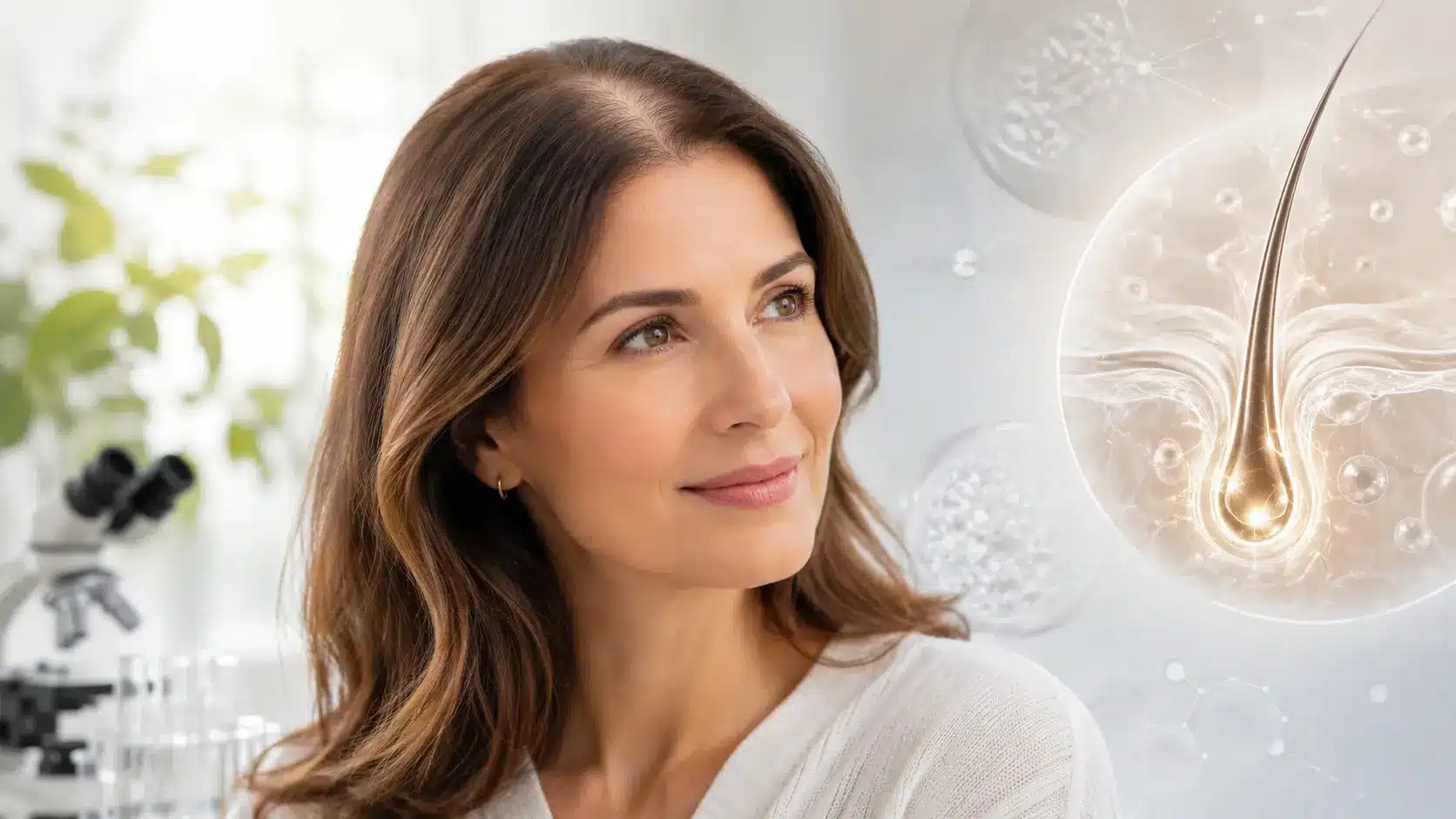
A New Hope for Women Experiencing Hair Loss
Hair loss can be deeply emotional. For many women, hair is not simply about appearance. It is connected to identity, confidence, femininity, privacy, and control.
Whether hair loss happens because of chemotherapy, alopecia, hormonal changes, menopause, ageing, stress, or female pattern hair loss, the impact can be significant. Many women describe the experience as upsetting, isolating, and difficult for others to fully understand.
Too often, people say, “It’s only hair.” But for someone experiencing hair loss, it rarely feels that simple.
Hair is part of how many people recognise themselves. When it begins to thin or fall out, especially suddenly, it can feel like losing part of who they are.
Hair Loss Is Not Vanity
For women going through cancer treatment, hair loss can be one of the most difficult side effects. Even when treatment is successful, losing hair can feel like a visible reminder of illness.
This is not vanity. It is identity.
Hair can reflect culture, personality, age, style, and confidence. When it changes unexpectedly, many women feel they have lost control over something very personal.
For some, choosing a wig, hairpiece, topper, or shaving the hair before it falls out can help restore a sense of control. For others, professional guidance and emotional support can make the experience easier to manage.
Why Female Hair Loss Needs More Attention
Although hair loss affects millions of women worldwide, female hair loss has historically received less research attention than male hair loss.
Male pattern baldness is more widely discussed and better understood. Female hair loss, however, can be more complex. Women may experience thinning due to hormonal changes, pregnancy, menopause, genetics, stress, nutritional deficiencies, autoimmune conditions, scalp problems, or medical treatments.
Female hair loss also often presents differently. Instead of a receding hairline, many women notice thinning around the crown, parting line, or general reduction in hair density.
Because of this, proper assessment is essential. Different types of hair loss require different treatment approaches.
A Scientific Breakthrough in Hair Regeneration
Recent research from Japan has offered new hope in the field of hair regeneration.
A team led by Professor Takashi Tsuji has reported progress in recreating the full cycle of hair growth in mice. This means the hair follicles were able to grow, shed, and regrow hair naturally.
This is important because natural hair growth works in cycles. For future treatments to be truly effective, scientists need to understand how to regenerate follicles that behave like natural hair.
The research identified a possible third cell type involved in supporting hair follicle development and regeneration. This could bring scientists closer to the possibility of growing fully functioning hair follicles in the lab.
However, this research has so far been carried out in mice. Human hair growth is more complex, and more studies are needed before this could become a treatment available to patients.
Still, it is a promising step forward.
Support Is Available Today
While future scientific advances are exciting, women experiencing hair loss today do not have to wait to seek help.
Depending on the cause, options may include medical treatments, scalp assessment, PRP, low-level laser therapy, hair systems, toppers, wigs, nutritional support, or hair transplant assessment in selected cases.
At Ailesbury Hair Clinic, we understand that hair loss is personal. Our approach begins with listening, identifying the cause, and helping each patient understand the most suitable options.
Hair loss is never “just hair.” For many women, it is confidence, identity, and emotional wellbeing. With the right support, it is possible to feel more in control again.